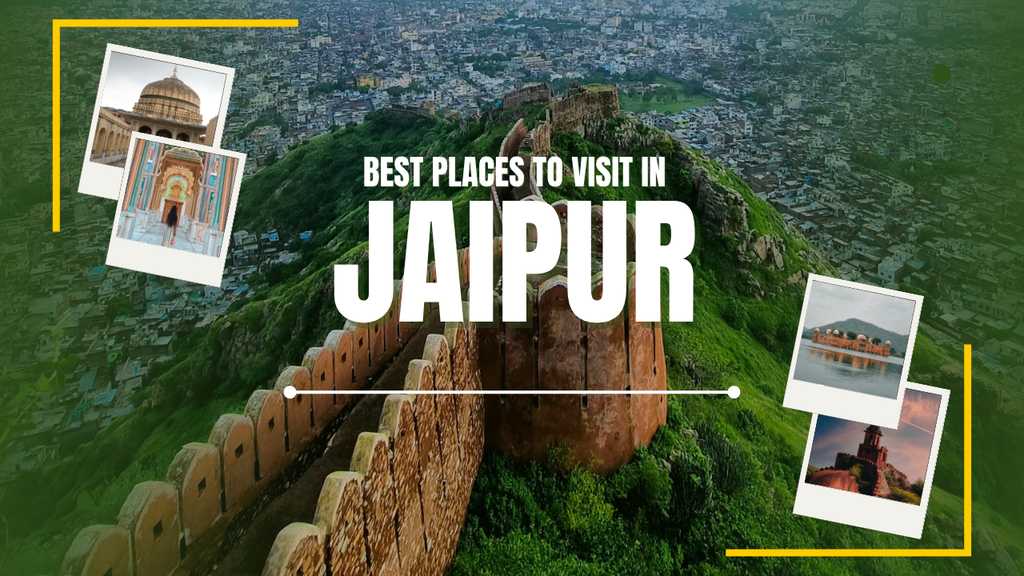
Jaipur Travel Guide 2026: Best Places to Visit, Things to Do & Trip Plan
By Nikita Sharma•Sep 29, 2026•Travel Guide
Jaipur is one of the most recognizable cities in Rajasthan and one of the easiest places to start a Rajasthan holiday. Known for its forts, palaces, historic markets, pink-painted architecture and royal heritage, the city offers a mix of sightseeing, shopping, food and cultural experiences within a relatively compact travel area.
For first-time visitors, however, deciding what to see and how many days to spend in Jaipur can be difficult. The city has major attractions in different parts of the destination, and trying to visit everything in one day can make the experience unnecessarily rushed.
Jaipur Travel Guide 2026 Best Places to Visit, Things to Do & Trip Plan
This Jaipur travel guide covers the major places to visit, things to do, how many days you need, where to focus your time and how Jaipur can fit into a longer Rajasthan itinerary.
Quick Answer: How Many Days Do You Need in Jaipur?
For most first-time visitors, 2 days in Jaipur is enough to see the city’s major attractions at a practical pace. This can include Amber Fort, City Palace, Jantar Mantar, Hawa Mahal and selected markets or viewpoints.
Three days gives you more flexibility for shopping, museums, local food, cultural experiences and attractions outside the main sightseeing circuit. Travelers interested mainly in Jaipur’s historic architecture can also spend longer exploring individual monuments rather than trying to add more destinations.
If Jaipur is only one stop in a wider Rajasthan trip, two or three days is usually easier to incorporate into the overall route.
For travelers planning a short dedicated visit, the 2 days Jaipur tour provides a useful starting point for organizing the major attractions.
Why Is Jaipur Called the Pink City?
Jaipur is widely known as the Pink City because of the distinctive color used across many historic buildings in the old city.
The tradition dates back to the late 19th century, when the city was decorated in a terracotta-pink shade for the visit of the Prince of Wales in 1876. Today, the color remains one of Jaipur’s most recognizable visual features, particularly around the historic markets and streets of the old city.
The pink architecture is only one part of Jaipur’s identity. The city is also closely connected with the former Kachwaha Rajput rulers, royal residences, astronomical architecture, traditional crafts and long-established markets.
Best Places to Visit in Jaipur
Amber Fort
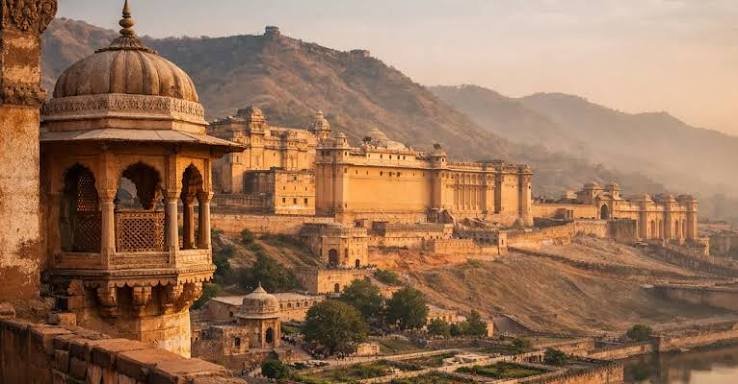
Amber Fort is one of the most important attractions around Jaipur and should be high on the list for first-time visitors.
Located on a hill outside the main city area, the fort combines courtyards, gateways, palaces and decorative architecture. The scale of the complex means that visitors should allow enough time to walk through the major sections rather than treating it as a quick photo stop.
Its elevated location also provides views of the surrounding landscape, making the visit interesting for both history enthusiasts and photographers.
City Palace
Located in the heart of the old city, City Palace provides a closer look at Jaipur’s royal history.
The complex includes courtyards, gateways, palace buildings and museum collections. Because it is centrally located, it can be combined with other old-city attractions during the same sightseeing session.
Visitors interested in Rajasthan’s royal architecture will find City Palace particularly useful for understanding how Jaipur’s historic administrative and residential spaces developed.
Hawa Mahal
Hawa Mahal is perhaps Jaipur’s most recognizable landmark.
Its distinctive façade contains numerous small windows and openings designed to allow airflow while giving royal women a view of activities taking place on the street without being easily seen from outside.
Although many visitors stop for photographs from the street, exploring the surrounding area gives you a better sense of the old city’s architecture and market environment.
Jantar Mantar
Jantar Mantar is one of Jaipur’s most interesting attractions because it combines architecture, mathematics and astronomy.
The site contains large astronomical instruments constructed to observe and calculate celestial positions. It is particularly worthwhile for travelers who want something beyond the usual forts and palaces.
Its location close to City Palace and Hawa Mahal also makes it convenient to include in a central Jaipur sightseeing route.
Nahargarh Fort
Nahargarh Fort sits on the Aravalli hills overlooking Jaipur and is especially popular for its elevated views of the city.
The fort can be a good addition to a Jaipur itinerary when you want to see the city from above rather than spending the entire day inside historic palace complexes.
The timing of your visit matters because views and photography conditions can change throughout the day. It is also worth considering travel time from the central city when building your schedule.
Jal Mahal
Jal Mahal is located in the middle of Man Sagar Lake and is one of Jaipur’s most photographed landmarks.
Visitors generally view the palace from the lakeside rather than treating it as a long sightseeing stop. This makes it easy to combine with other attractions, particularly when traveling toward or returning from the Amber Fort area.
Things to Do in Jaipur Beyond Sightseeing
Jaipur is more than a collection of historic monuments. Spending some time in the city’s markets and neighborhoods can make the trip feel less like a checklist of attractions.
The old city is well known for textiles, handicrafts, jewellery, traditional clothing and other locally produced items. Markets around Johari Bazaar, Bapu Bazaar and nearby streets offer a chance to explore Jaipur’s commercial and craft traditions.
Food is another important part of the experience. Visitors can try traditional Rajasthani dishes as well as snacks and sweets associated with the city. Travelers who enjoy local cuisine should leave some space in the itinerary for restaurants and traditional food stops rather than filling every hour with monument visits.
Photography is also a natural part of a Jaipur trip. The combination of forts, colorful markets, historic façades and hilltop viewpoints provides very different settings throughout the city.
Jaipur Itinerary for 2 Days
A practical two-day itinerary should divide the attractions geographically rather than moving randomly across the city.
The first day can focus on the Amber Fort side of Jaipur, with Amber Fort as the main attraction and additional stops such as Jal Mahal and Nahargarh Fort depending on available time.
The second day can concentrate on the old city and central Jaipur. City Palace, Jantar Mantar and Hawa Mahal can be combined with market exploration and local food.
This approach keeps travel between attractions more manageable and leaves some time for unexpected delays.
Jaipur Itinerary for 3 Days
Three days gives you a more comfortable schedule.
The first two days can follow the major sightseeing route, while the third day can be used for shopping, museums, additional heritage attractions or experiences that you could not fit into the main itinerary.
This extra day can also be useful for families and older travelers who prefer a slower schedule. Instead of adding more attractions simply because time is available, use the additional day to explore Jaipur at a more relaxed pace.
Best Time to Visit Jaipur
The cooler months are generally more comfortable for exploring Jaipur’s forts, markets and outdoor attractions. The period from roughly October through March is popular with travelers because daytime sightseeing is generally more manageable than during the hottest part of the year.
Summer can bring intense daytime heat, which may require earlier starts and longer indoor breaks. The monsoon period can bring occasional rain while also changing the appearance of the surrounding landscape.
The right travel period ultimately depends on your tolerance for heat, preferred activities and overall Rajasthan route. Our detailed best time to visit Rajasthan guide covers seasonal planning in more detail.
How to Reach Jaipur
Jaipur is well connected to other major Indian cities by air, rail and road, making it a convenient entry point for Rajasthan.
Jaipur International Airport provides air connectivity, while Jaipur Junction is an important railway station for travelers arriving by train. Road connections also make Jaipur practical for travelers coming from Delhi, Agra and other destinations.
Your arrival method can influence the first and last day of the itinerary. If you arrive late in the evening, for example, it is better to treat the following day as the first full sightseeing day rather than trying to fit major attractions into the arrival day.
Jaipur as Part of a Rajasthan Trip
Jaipur works particularly well as the starting point for a longer Rajasthan journey.
From Jaipur, travelers can continue toward Jodhpur, Udaipur, Jaisalmer, Pushkar or other destinations depending on their available time and interests. The right route depends on whether your priority is forts, lakes, desert experiences, wildlife or a combination of different landscapes.
If you are planning several cities, avoid adding destinations solely because they are popular. Consider the distance between them and how many hours will be spent traveling.
For a broader overview, our guide to Rajasthan cities to visit compares Jaipur with Jodhpur, Udaipur and Jaisalmer to help travelers decide which destinations fit their trip.
Jaipur for Couples, Families and Solo Travelers
Jaipur can work for different types of travelers because the city offers a wide range of experiences.
Couples can combine heritage sightseeing with restaurants, markets, viewpoints and cultural experiences. Families can choose a slower schedule around major forts and palaces, while solo travelers can explore the historic center, markets and museums according to their own pace.
The main difference is itinerary speed. Families may benefit from fewer attractions per day, while travelers focused on photography or history may prefer spending several hours at individual monuments.
How to Plan a Better Jaipur Trip
A good Jaipur itinerary should balance major attractions with enough time for food, markets and rest.
Start by deciding how many full days you actually have. Then group attractions according to their location. Reserve additional time for traffic and travel between different parts of the city, particularly when your itinerary includes Amber Fort and the hill areas.
It is also useful to check opening hours, entry requirements and current local conditions before visiting individual attractions because these details can change.
Most importantly, do not treat Jaipur as a checklist. The city’s appeal comes from the combination of historic architecture, markets, food, crafts and everyday urban life.
FAQs About Jaipur Travel
Is 2 days enough for Jaipur?
Yes, two full days can cover many of Jaipur’s major attractions, including Amber Fort, City Palace, Jantar Mantar and Hawa Mahal. The itinerary should be organized geographically to avoid unnecessary travel.
What is Jaipur famous for?
Jaipur is known for its forts, palaces, pink-colored historic architecture, traditional markets, handicrafts and royal heritage. Amber Fort, City Palace and Hawa Mahal are among its best-known attractions.
What are the must-visit places in Jaipur?
For a first visit, Amber Fort, City Palace, Hawa Mahal and Jantar Mantar are major attractions. Nahargarh Fort and Jal Mahal can also be included depending on your available time.
Is Jaipur good for a family trip?
Yes. Jaipur offers historical attractions, markets and cultural experiences that can suit families. A less crowded itinerary with enough breaks is generally more comfortable, especially for families traveling with young children.
Is Jaipur worth visiting as part of a Rajasthan trip?
Yes, Jaipur can serve as an effective starting point for a multi-city Rajasthan itinerary. It can be combined with destinations such as Jodhpur, Udaipur and Jaisalmer depending on the number of days available.
How many days are enough for Jaipur?
Two days is suitable for the main attractions, while three days gives travelers more time for markets, food, additional sightseeing and a slower travel pace.
What should I buy in Jaipur?
Popular shopping categories include textiles, handicrafts, jewellery, traditional clothing, decorative items and local products. Compare quality and prices across shops before making significant purchases.
Welcome Rajasthan Tours
Travel Rajasthan in the Season That Suits You
Our team understands local weather patterns, seasonal activities
and the best routes for every month. Let us help you create a
Rajasthan journey around your interests.