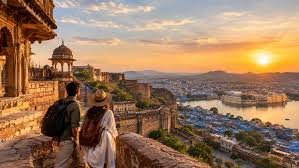
Rajasthan’s forts and palaces tell the story of the rulers, kingdoms, battles and artistic traditions that shaped the region. Built on hilltops, beside lakes and within historic cities, these landmarks showcase Rajput architecture, intricate stonework, painted chambers and impressive defensive structures.
For travellers, exploring Rajasthan’s heritage is about more than visiting famous monuments. A walk through a massive hill fort, a view across a historic city from its ramparts or a visit to a royal palace can reveal how people lived, governed and protected their kingdoms.
Whether you are planning a family holiday, a cultural trip or a longer Rajasthan road journey, the state offers heritage attractions for different interests and travel styles. This guide covers 15 famous forts and palaces in Rajasthan, what makes each place worth visiting and how to organise them into a practical itinerary.
Quick Guide: Famous Forts and Palaces in Rajasthan
If you are short on time, start with these well-known heritage sites:
- Amber Fort, Jaipur: Known for its grand gateways, courtyards and hilltop setting.
- Mehrangarh Fort, Jodhpur: Famous for its imposing walls, museums and city views.
- Chittorgarh Fort, Chittorgarh: A vast historic fort associated with Mewar’s history.
- Kumbhalgarh Fort, Rajsamand district: Recognised for its extensive defensive walls.
- Jaisalmer Fort, Jaisalmer: A golden sandstone fort with a living community inside.
- City Palace, Udaipur: A palace complex overlooking Lake Pichola.
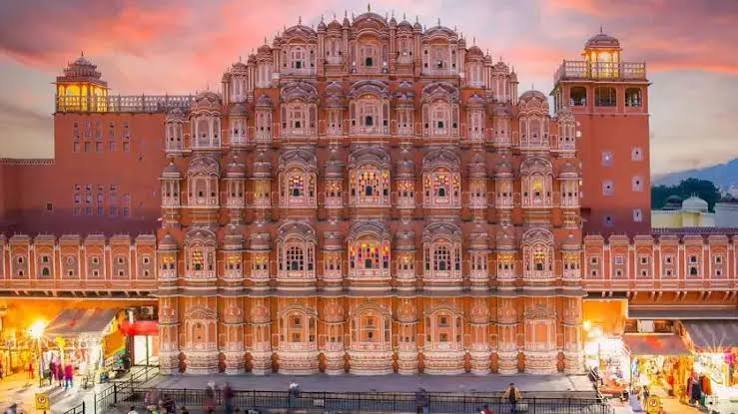
- Hawa Mahal, Jaipur: An iconic façade known for its honeycomb-like windows.
These sites are spread across Rajasthan, so it is best to group nearby attractions together rather than attempting to visit all of them in a short trip.
1. Amber Fort, Jaipur
Amber Fort, also called Amer Fort, is one of Jaipur’s most recognisable heritage attractions. Set on a hillside overlooking Maota Lake, the fort combines Rajput architecture with influences from Mughal design.
Visitors can explore its courtyards, gateways, decorative halls and historic palace spaces. The detailed ornamentation makes it particularly interesting for travellers who enjoy architecture and photography.
Why visit: The combination of hilltop views, historic architecture and large courtyards makes Amber Fort a strong starting point for a Rajasthan heritage trip.
Travel tip: Visit early in the day when possible and allow time to explore the complex. Amber Fort is outside Jaipur’s main city centre, so combine it with nearby attractions rather than rushing back and forth across the city.
2. Mehrangarh Fort, Jodhpur
Rising above Jodhpur, Mehrangarh Fort is an imposing structure with massive walls, historic courtyards and museum collections. Its elevated position provides excellent views of the city, including the blue-painted neighbourhoods below.
Inside, visitors can learn about the region’s royal history through exhibits, decorative rooms and artefacts.
Why visit: Mehrangarh is ideal for travellers interested in fort architecture, royal history and panoramic city views.
Travel tip: Give yourself several hours to explore. You can combine the fort with Jaswant Thada and the old city during a Jodhpur sightseeing day.
3. Chittorgarh Fort, Chittorgarh
Chittorgarh Fort is one of Rajasthan’s most significant historic fort complexes. Spread across a large hilltop area, it contains gateways, temples, palaces, water structures and memorial towers associated with the history of Mewar.
Important attractions within the complex include Vijay Stambh, Kirti Stambh and Rana Kumbha Palace. Because the site covers a substantial area, visitors should plan their route before arriving.
Why visit: The fort offers a deeper look at Mewar’s history, historic architecture and the role of fortified settlements in Rajasthan.
Travel tip: Allow several hours, wear comfortable shoes and arrange transport between distant sections if needed. Official visitor information can be found on the Rajasthan Tourism Chittorgarh guide.
4. Kumbhalgarh Fort, Rajsamand District
Kumbhalgarh Fort is famous for its extensive defensive walls and its location among the Aravalli hills. The fort is closely associated with Maharana Kumbha and is recognised as part of the UNESCO-listed Hill Forts of Rajasthan.
The setting differs from the urban forts of Jaipur and Jodhpur. Here, the surrounding hills and landscape form an important part of the experience.
Why visit: It is an excellent destination for travellers interested in military architecture, hilltop scenery and Mewar’s history.
Travel tip: Check road conditions and allow enough time for the journey. Kumbhalgarh is often combined with Udaipur on a multi-day itinerary rather than squeezed into a busy city sightseeing schedule.
5. Jaisalmer Fort, Jaisalmer
Jaisalmer Fort, often called Sonar Quila or the Golden Fort, rises above the desert city in yellow sandstone. Its appearance changes with the light, giving it the distinctive golden colour associated with Jaisalmer.
Unlike many historic forts that function primarily as monuments, Jaisalmer Fort remains a living settlement. Homes, shops, places of worship and narrow streets operate within the fort area.
Why visit: It offers an unusual combination of historic fortification, sandstone architecture and everyday local life.
Travel tip: Explore on foot and respect residents’ privacy. You can combine the fort with Patwon Ki Haveli and Gadisar Lake for a full day in Jaisalmer.
6. Jaigarh Fort, Jaipur
Located in the hills above Amber, Jaigarh Fort is known for its defensive architecture and military history. Its elevated position helped protect the surrounding area, and the complex includes gateways, courtyards and historic structures associated with fort life.
The fort is particularly interesting for travellers who want to understand the military side of Rajasthan’s royal heritage.
Why visit: Jaigarh offers a different perspective from Jaipur’s decorative palaces, focusing more on defence, engineering and strategic location.
Travel tip: Consider visiting on the same day as Amber Fort, but check opening hours and transport arrangements before planning both visits.
7. Nahargarh Fort, Jaipur
Nahargarh Fort sits along the Aravalli ridge overlooking Jaipur. Built during the 18th century and expanded later, it formed part of the defensive landscape around the city.
Its position makes it popular with visitors looking for views over Jaipur. The fort also contains palace spaces and historic interiors.
Why visit: It combines architectural interest with a broad view of the city.
Travel tip: Check local conditions before an evening visit and arrange reliable transport back to your accommodation. You can combine Nahargarh with other Jaipur attractions if your schedule allows.
8. Ranthambore Fort, Sawai Madhopur
Ranthambore Fort stands within the Ranthambore landscape, an area also known for its national park and wildlife experiences. The fort has a long history and contains gateways, historic structures and religious sites.
Its location makes it particularly interesting for travellers who want to combine heritage with nature.
Why visit: It offers a different setting from Rajasthan’s city forts and can be part of a broader visit to the Ranthambore region.
Travel tip: Check access arrangements and local guidance before visiting. Wildlife safari bookings and fort visits may involve different timings and requirements, so plan them separately.
9. Taragarh Fort, Bundi
Bundi’s Taragarh Fort overlooks the historic town and surrounding landscape. The town is also known for its stepwells, painted havelis and traditional architecture.
The fort is a rewarding option for travellers who prefer lesser-known heritage destinations over the busiest tourist circuits. Access and the condition of individual areas may vary, so visitors should check local information before setting out.
Why visit: Bundi offers a quieter heritage experience and an opportunity to explore a historic Rajasthani town beyond the most famous tourist stops.
Travel tip: Pair the fort with Bundi’s old town and stepwells, allowing time for the town’s distinctive architecture.
10. Gagron Fort, Jhalawar
Gagron Fort is notable for its unusual geographical setting. It is associated with the meeting of waterways and surrounding natural defences, making it an important example of a water fort.
Its landscape and architecture give it a different character from Rajasthan’s hilltop forts. It is also part of the UNESCO-listed Hill Forts of Rajasthan.
Why visit: Gagron is worth considering for travellers interested in fort design, lesser-visited heritage sites and Rajasthan’s regional history.
Travel tip: It is best planned as part of a southeastern Rajasthan itinerary, particularly if you are visiting Jhalawar or nearby destinations.
11. City Palace, Udaipur
Overlooking Lake Pichola, Udaipur’s City Palace is a large complex of courtyards, balconies, galleries and historic buildings. Its architecture reflects several periods of development under the rulers of Mewar.
The palace is also valued for its views across the lake and surrounding city. Visitors can explore designated areas and museum collections that provide context for Udaipur’s royal history.
Why visit: City Palace combines architecture, history and scenic surroundings in one of Udaipur’s principal attractions.
Travel tip: Allow enough time to explore the complex, especially if you enjoy museums and detailed architectural features. You can combine it with Jagdish Temple and a Lake Pichola boat ride, subject to availability.
12. Hawa Mahal, Jaipur
Hawa Mahal, or the Palace of Winds, is one of Jaipur’s best-known architectural landmarks. Its distinctive façade features rows of small windows and projecting balconies designed to allow air to circulate through the building.
The structure is closely associated with Jaipur’s historic urban landscape and is especially recognisable from the street.
Why visit: Its design makes it one of the most distinctive examples of palace architecture in Rajasthan.
Travel tip: Hawa Mahal is well placed for a visit alongside City Palace, Jantar Mantar and the old-city markets. Check current entry arrangements if you want to explore the interior rather than view the façade from outside.
13. Umaid Bhawan Palace, Jodhpur
Umaid Bhawan Palace is a major landmark of Jodhpur and an important example of more recent royal architecture in Rajasthan. Its design and scale distinguish it from the medieval forts found elsewhere in the state.
Parts of the palace serve different purposes, and public access is limited to designated visitor areas.
Why visit: It offers a different perspective on royal architecture and the evolution of palace life in Rajasthan.
Travel tip: Check the current museum or visitor access arrangements before travelling. Combine it with Mehrangarh Fort and other Jodhpur attractions if your itinerary permits.
14. Jal Mahal, Jaipur
Jal Mahal, or the Water Palace, appears to sit in the middle of Man Sagar Lake. Its location and pale sandstone exterior make it one of Jaipur’s most photographed landmarks.
Visitors generally admire the palace from designated viewpoints around the lake. Access to the building itself is restricted, so do not assume that an interior visit is possible.
Why visit: Jal Mahal offers a memorable architectural view and a useful stop between Jaipur’s main sightseeing areas.
Travel tip: Combine a viewpoint stop with Amber Fort or other attractions along the route. Follow local rules about access and photography.
15. Deeg Palace, Deeg
Deeg Palace, in the Bharatpur region, is known for its gardens, courtyards, pavilions and water features. It served as a summer retreat for the rulers of Bharatpur and offers a different architectural experience from the massive hill forts of Rajasthan.
Its layout and decorative features make it worthwhile for travellers interested in historic gardens and palace design.
Why visit: Deeg provides a quieter alternative for visitors who want to explore Rajasthan’s palace heritage beyond Jaipur, Udaipur and Jodhpur.
Travel tip: Consider combining Deeg with Bharatpur or another nearby destination. Confirm current opening times before planning your visit.
How to Plan a Rajasthan Forts and Palaces Tour
Because these heritage sites are spread across the state, your itinerary should be based on geography and available travel days.
3–4 Days: Jaipur Heritage Tour
Focus on Amber Fort, Jaigarh Fort, Nahargarh Fort, City Palace and Hawa Mahal. This route is suitable for first-time visitors who want to explore Jaipur’s royal architecture without long intercity journeys.
5–6 Days: Jaipur, Jodhpur and Udaipur
Start with Jaipur’s forts and palaces, continue to Jodhpur for Mehrangarh Fort and Umaid Bhawan Palace, and finish in Udaipur at City Palace. This route combines different architectural styles and city experiences, but travel time between destinations should be factored in.
7–8 Days: Add Chittorgarh and Kumbhalgarh
Travellers with more time can include Chittorgarh Fort and Kumbhalgarh Fort, subject to their chosen route. These destinations add important Mewar heritage sites to the trip.
8–10 Days or More: Include Jaisalmer
Add Jaisalmer if you want to experience its Golden Fort and desert surroundings. It is farther from some of the other destinations, so allow sufficient time for transport instead of treating it as a quick detour.
For more route ideas, browse Rajasthan tour packages and compare itineraries according to your available days.
Best Time to Visit Rajasthan’s Forts and Palaces
October to March is generally a popular period for heritage sightseeing because daytime conditions are often more comfortable. Temperatures vary by destination, and winter mornings and evenings can be cold, particularly in desert areas.
During the hotter months, plan outdoor exploration for the cooler parts of the day, carry water and wear sun protection. Many forts involve walking on uneven surfaces, climbing steps or spending time in exposed areas.
Before visiting, check official information for opening hours, ticket prices, photography rules and access restrictions. Some palace buildings are privately managed or have areas that are not open to visitors.
Practical Tips for Heritage Travellers
- Wear comfortable footwear: Fort complexes can involve substantial walking and uneven stone surfaces.
- Start early: Morning visits can help you avoid some of the midday heat and allow more time for sightseeing.
- Group nearby attractions: Visit places in the same area together to reduce unnecessary travel.
- Respect local communities: Some historic sites contain homes, religious spaces or active neighbourhoods.
- Check access before travelling: Opening times, visitor routes and transport arrangements can change.
- Consider a local guide: A knowledgeable guide can explain architectural details and historical context that may otherwise be easy to miss.
Plan Your Rajasthan Heritage Trip
Rajasthan’s forts and palaces offer a fascinating way to explore the state’s history, architecture and regional culture. From Jaipur’s hilltop fortifications to Jodhpur’s imposing Mehrangarh Fort, Udaipur’s lakeside City Palace and Jaisalmer’s golden sandstone architecture, every destination offers a different perspective on Rajasthan’s past.
Rather than rushing through all 15 sites, choose a route that matches your interests and available travel days. A well-planned journey gives you time to appreciate the monuments, explore the surrounding cities and enjoy the experience without spending the entire holiday on the road.
Ready to plan your trip? Explore our Rajasthan Tour Packages to compare destinations and travel routes. You can also browse our Top Rajasthan Tour Packages for ideas on combining heritage cities into one holiday.
Choose your route, discover Rajasthan’s royal heritage and start planning your next journey.