Jodhpur is one of the most distinctive cities in Rajasthan. Known as the Blue City, it combines a massive hilltop fort, historic palaces, blue-painted houses, traditional markets and local food with a strong sense of its royal past. If you are planning a short Rajasthan holiday, spending two days in Jodhpur gives you enough time to experience the city’s major attractions without making the trip unnecessarily rushed.
The key to planning a successful 2 days Jodhpur itinerary is to organize sightseeing by location. Mehrangarh Fort, Jaswant Thada, the old city, Umaid Bhawan Palace and the historic markets all deserve time, but trying to cover too many attractions in a single day can leave little opportunity to actually experience Jodhpur.
This guide explains the best places to visit in Jodhpur in 2 days, what to see on each day, how to structure your route and what first-time visitors should know before planning their trip.
Quick Answer: Is 2 Days Enough for Jodhpur?
Yes, two full days are enough for a first visit to Jodhpur. A practical itinerary can cover Mehrangarh Fort, Jaswant Thada, the Blue City, Clock Tower and Sardar Market on the first day, followed by Umaid Bhawan Palace, Toorji Ka Jhalra, additional old-city exploration and local experiences on the second day.
If you are arriving late or leaving early, however, you should reduce the number of attractions rather than trying to follow the complete itinerary. For a short holiday, Mehrangarh Fort and the historic old city should be among your priorities.
Travelers looking for a ready-made short trip can also explore the 2 days Jodhpur tour when planning their Rajasthan holiday.
Day 1: Mehrangarh Fort, Jaswant Thada & Blue City
The first day should focus on the historic side of Jodhpur. Most of the city’s identity is connected with Mehrangarh Fort and the old neighborhoods that developed around it, so beginning here gives you a strong introduction to the destination.
Morning: Visit Mehrangarh Fort
Start your first morning at Mehrangarh Fort.
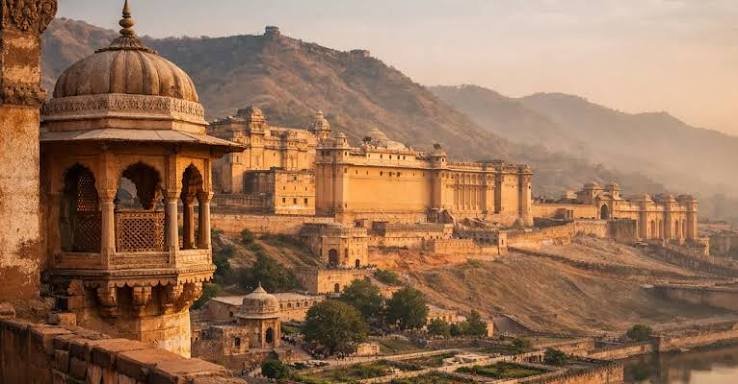
Standing high above Jodhpur, Mehrangarh is one of Rajasthan’s most impressive historic forts. Its massive walls, gateways, courtyards, palace rooms and museum collections provide a detailed look at the history of the former Marwar region.
Do not treat the fort as a quick photo stop. The complex is large and involves walking, so allow several hours if you want to explore it properly. The architecture changes as you move through different sections, while the elevated position offers wide views over the city below.
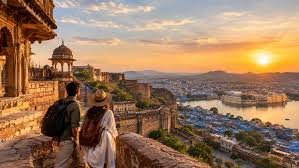
For photographers, the fort also provides some of the best perspectives of Jodhpur’s blue-painted neighborhoods.
Starting early is useful, particularly during warmer months. It allows you to explore the fort before the strongest afternoon heat and leaves more time for the rest of the day’s itinerary.
Late Morning: Jaswant Thada
After Mehrangarh Fort, continue to Jaswant Thada.
This white marble memorial is located close to the fort and provides a quieter contrast to the large and imposing structure you have just explored. The carved marble screens, domes and surrounding gardens make it an interesting stop for travelers interested in architecture and photography.
Because Jaswant Thada is close to Mehrangarh, combining the two attractions on the same morning is more practical than crossing the city between every sightseeing stop.
Afternoon: Lunch in the Old City
After the fort area, head toward the historic center for lunch.
Jodhpur is well known for its local food, so this is a good opportunity to try some regional dishes instead of relying entirely on hotel restaurants. Depending on your preferences, you can look for traditional Rajasthani meals, local snacks or cafés around the old city.
Do not make lunch too rushed. After spending the morning walking around Mehrangarh Fort, a proper break will make the rest of the day much more comfortable.
Afternoon: Explore the Blue City
One of the reasons Jodhpur feels different from other Rajasthan destinations is its historic blue-painted neighborhoods.
The Blue City is not a single monument with a fixed visiting time. Its appeal comes from walking through the streets, seeing traditional homes, local shops and everyday life beneath Mehrangarh Fort.
This is one part of the trip where it is better to slow down rather than follow a strict checklist. Photography enthusiasts may want additional time here, particularly because the relationship between the blue houses and the fort creates some of Jodhpur’s most recognizable views.
Evening: Clock Tower & Sardar Market
Spend the evening around the Clock Tower and Sardar Market.
The market area provides a different perspective on Jodhpur after a day spent exploring royal architecture. You can browse textiles, handicrafts, spices, traditional clothing and other local products.
Even if you are not interested in shopping, the area is worth exploring for its atmosphere. The combination of historic buildings, busy streets and local businesses gives you a better sense of contemporary Jodhpur.
Finish the evening with dinner in or around the old city.
Day 2: Umaid Bhawan Palace, Stepwell & Local Experiences
The second day can be slightly more relaxed. After spending the first day around Mehrangarh and the old city, use Day 2 to explore another side of Jodhpur’s history and architecture.
Morning: Umaid Bhawan Palace
Begin the second day with Umaid Bhawan Palace.
The palace represents a different period of Jodhpur’s royal history and has a very different architectural character from Mehrangarh Fort. Its grand exterior and extensive grounds make it one of the city’s most recognizable landmarks.
Part of the property continues to operate as a heritage hotel, while other sections are associated with the museum and the former royal family.
Visitors should check current access arrangements before planning their visit because different sections of a heritage property may have different visitor access.
For travelers interested in architecture, royal history and photography, Umaid Bhawan adds variety to a Jodhpur itinerary that otherwise focuses heavily on the old city.
Late Morning: Toorji Ka Jhalra
Next, visit Toorji Ka Jhalra, a historic stepwell in the old city.
Rajasthan’s stepwells reflect the importance of traditional water architecture in the region, and Toorji Ka Jhalra provides a good example within Jodhpur’s urban environment.
The surrounding neighborhood also has cafés, shops and restored heritage spaces, making it easy to combine the visit with a short break.
Unlike a large palace or fort, a stepwell does not require several hours to explore. It works well as a shorter stop during a day focused on local neighborhoods.
Afternoon: Explore Jodhpur’s Historic Streets
Use the afternoon to revisit areas of the old city or explore streets you did not have time for on Day 1.
This is particularly useful if you want to photograph the Blue City, shop for local products or simply experience Jodhpur at a slower pace.
You do not have to add another major monument just because there is time available. Walking through historic neighborhoods, stopping at a café or discovering a small local shop can be just as valuable as adding another attraction to the itinerary.
Evening: Rooftop Views of Mehrangarh Fort
For your final evening, consider having dinner at a rooftop restaurant with views toward Mehrangarh Fort.
The fort’s elevated position creates a dramatic backdrop over the city, particularly around sunset and after dark when the structure is illuminated.
This provides a natural way to finish a two-day Jodhpur trip without adding another major sightseeing commitment.
Best Places to Visit in Jodhpur in 2 Days
If you have limited time, prioritize attractions according to your interests.
Mehrangarh Fort should be the first priority for most first-time visitors because of its historical importance, architecture and views over the city.
Jaswant Thada is an easy addition to the fort visit and offers a quieter architectural experience.
Umaid Bhawan Palace gives you a different perspective on Jodhpur’s royal heritage and is particularly relevant for travelers interested in palaces and architecture.
Toorji Ka Jhalra provides a glimpse into Rajasthan’s traditional stepwell architecture.
Clock Tower and Sardar Market are useful for experiencing the city’s local shopping and everyday atmosphere.
The Blue City itself should also be part of the itinerary. Although it is not a single attraction, the blue-painted neighborhoods are an important part of what makes Jodhpur visually and culturally distinctive.
2-Day Jodhpur Itinerary at a Glance
Day 1: Mehrangarh Fort → Jaswant Thada → Lunch → Blue City → Clock Tower → Sardar Market → Dinner
Day 2: Umaid Bhawan Palace → Toorji Ka Jhalra → Old City exploration → Shopping or cafés → Rooftop dinner
This itinerary can be adjusted according to your interests. History enthusiasts may spend more time at Mehrangarh, while travelers interested in food and markets can give more time to the old city.
Where to Stay in Jodhpur for 2 Days
Hotel location becomes particularly important when you only have two days.
Staying near the old city can make it easier to explore markets, restaurants and historic streets without spending excessive time in transportation. Some heritage properties and hotels also provide views toward Mehrangarh Fort.
If you prefer a quieter property farther from the center, that can work as well, but include the additional travel time when planning each day.
For a short trip, the cheapest hotel is not necessarily the most practical choice if reaching every major attraction requires long transfers.
How to Get Around Jodhpur
Jodhpur’s major attractions are located across different parts of the city, so a combination of transportation and walking generally works well.
Taxis and auto-rickshaws can be useful for individual journeys, while a private vehicle can be convenient for families or small groups who want to cover several attractions in a day.
The old city is better explored on foot in many areas. Narrow streets, busy markets and historic lanes can make driving less convenient, while walking gives you more opportunities to notice local architecture and shops.
Plan transportation around the day’s route instead of arranging separate journeys for every attraction.
What to Eat in Jodhpur
Food should be part of your Jodhpur itinerary rather than an afterthought.
The city is known for Rajasthani snacks and traditional dishes, including mirchi vada, mawa kachori, dal baati churma and other regional preparations.
Jodhpur also has cafés, rooftop restaurants and contemporary dining options, so travelers can choose between traditional food and more familiar meals.
If you are traveling with children, balance local dishes with food options they are comfortable eating. This can make the trip easier without missing the opportunity to try regional cuisine.
Best Time to Visit Jodhpur
The cooler part of the year is generally more comfortable for exploring Jodhpur’s forts, markets and historic streets. October through March is a popular travel period for Rajasthan, although conditions can vary throughout these months.
Summer can make outdoor sightseeing more demanding, particularly around large fort complexes where visitors spend considerable time walking. Starting early can help you avoid the hottest part of the day.
If Jodhpur is part of a larger Rajasthan itinerary, consider the weather across all destinations rather than planning each city separately.
You can also read our detailed guide to the best time to visit Rajasthan before finalizing your travel dates.
Jodhpur in a Longer Rajasthan Trip
Jodhpur works well as part of a multi-city Rajasthan itinerary.
Travelers commonly combine it with Jaipur, Udaipur and Jaisalmer, although the right combination depends on the total number of days available.
For example, a traveler with limited time may prefer Jaipur and Jodhpur rather than trying to add four destinations. Someone with a longer holiday can build a broader route that includes the desert landscapes of Jaisalmer and the lakes of Udaipur.
Our comparison of Jaipur, Jodhpur, Udaipur and Jaisalmer can help you decide which destinations fit your interests.
Tips for Planning Your 2 Days in Jodhpur
Start the major outdoor attractions early, especially if you are traveling during warmer months. Mehrangarh Fort is large enough to require several hours, so give it the time it deserves instead of squeezing it between too many other attractions.
Comfortable footwear is important because both the fort and old-city areas involve walking. Carry water during sightseeing and allow yourself breaks between major attractions.
Keep at least one part of the itinerary flexible. Traffic, weather, shopping and unexpected discoveries can change your schedule, and a little flexibility makes a short holiday less stressful.
If you are traveling onward to Jaisalmer, Udaipur or another destination, check your departure arrangements before planning your final evening.
How Many Days Are Ideal for Jodhpur?
Two full days are sufficient for most first-time visitors who want to experience the major attractions.
A third day becomes useful if you prefer a slower travel style, want more time for photography and markets, or plan to explore additional attractions outside the main sightseeing route.
The number of days should ultimately depend on your overall Rajasthan itinerary. Spending three days in Jodhpur may be worthwhile if the city is one of your main interests, but adding another destination may make more sense if you want to experience different parts of Rajasthan.
FAQs About Jodhpur in 2 Days
Is 2 days enough for Jodhpur?
Yes. Two full days are enough to experience Mehrangarh Fort, Jaswant Thada, Umaid Bhawan Palace, the Blue City, Toorji Ka Jhalra and the historic markets at a practical pace.
What are the best places to visit in Jodhpur in 2 days?
Mehrangarh Fort, Jaswant Thada, Umaid Bhawan Palace, Toorji Ka Jhalra, Clock Tower, Sardar Market and the Blue City are among the main places to include.
What is Jodhpur famous for?
Jodhpur is particularly known for Mehrangarh Fort, its blue-painted old-city neighborhoods, royal architecture, traditional markets and Rajasthani food.
Can I visit Jodhpur and Jaisalmer in 2 days?
It is possible to travel between the two destinations, but doing both properly in only two days would leave limited sightseeing time. Additional days are preferable if both cities are priorities.
How many days are ideal for Jodhpur?
Two days are suitable for the main attractions, while three days can provide a more relaxed experience with additional time for markets, food, photography and local exploration.
What should I buy in Jodhpur?
Travelers commonly shop for handicrafts, textiles, spices, traditional clothing, leather products and other locally produced goods around the old-city markets.
Is Jodhpur good for a family trip?
Yes. Families can visit Jodhpur, although the itinerary should allow breaks because forts and historic areas involve considerable walking. A private vehicle can also make transportation more convenient for families.
What is the best time to visit Jodhpur?
The cooler months are generally more comfortable for outdoor sightseeing. October through March is a popular period for visiting Rajasthan, while summer requires more careful planning around daytime heat.