3 Days in Jaisalmer: Complete Golden City & Thar Desert Itinerary
By Nikita Sharma•Oct 07, 2026•Travel Guide
Planning 3 days in Jaisalmer gives you enough time to experience the city’s golden sandstone architecture, explore its historic fort and havelis, visit important heritage sites, and spend an evening among the dunes of the Thar Desert. Unlike a rushed one-day visit, three days allow you to combine sightseeing with a desert experience without trying to fit every attraction into a single day.
Jaisalmer is particularly rewarding when the itinerary is planned around travel time. The historic attractions are concentrated around the old city, while places such as Bada Bagh, Kuldhara and the desert areas require additional travel. Keeping these locations on appropriate days makes the trip more comfortable and leaves enough time to enjoy each experience.
This itinerary is designed for first-time visitors who want a practical mix of heritage, local culture, desert activities and relaxed exploration.
Quick Answer: Is 3 Days Enough for Jaisalmer?
Yes, 3 days in Jaisalmer is enough for most first-time visitors. A well-planned trip can cover Jaisalmer Fort, Patwon Ki Haveli, Nathmal Ki Haveli, Gadisar Lake, Bada Bagh, Kuldhara and a desert safari, with the option of staying overnight at a desert camp.
A practical route is:
Day 1: Jaisalmer Fort + Havelis + Gadisar Lake Day 2: Bada Bagh + Kuldhara + Thar Desert + Sunset + Desert Camp Day 3: Desert morning + Local Markets + Remaining Attractions + Departure
If your arrival is late on Day 1 or your departure is early on Day 3, you can reduce the number of attractions rather than rushing through the city.
Day 1: Explore Jaisalmer Fort and the Golden City
The first day should focus on the historic centre because most of the major heritage attractions can be explored without spending hours travelling between locations.
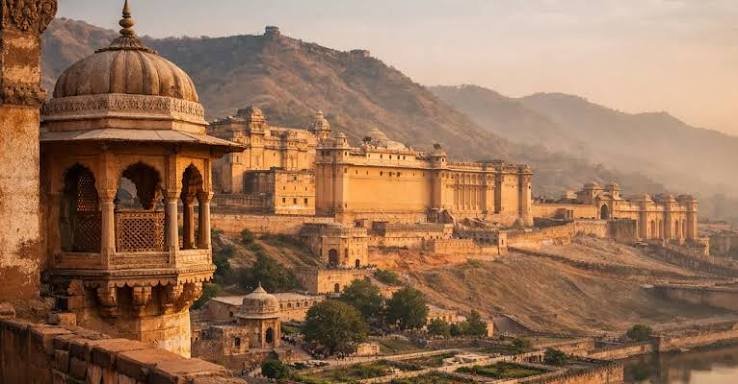
Start your morning with Jaisalmer Fort, the city’s most famous landmark. The fort rises above the old city and is particularly impressive when sunlight highlights its golden sandstone walls.
What makes the fort different from many other Rajasthan forts is that it is still a living settlement. Streets inside the fort are home to residents, shops, restaurants and traditional buildings. Walking through these lanes gives you a closer look at everyday life alongside historic architecture.
Take time to explore the fort rather than treating it as a quick photography stop. Depending on opening hours and access, you can visit the Jain temples and explore viewpoints overlooking the city.
Because the fort is a residential area, keep noise low and respect homes and private spaces. Comfortable footwear is useful because the lanes can be uneven.
Late Morning: Explore the Jain Temples and Fort Lanes
After exploring the main fort area, continue through its narrow streets and historic neighbourhoods. The Jain temples are known for detailed sandstone carvings and provide another perspective on Jaisalmer’s religious and architectural heritage.
The exact access arrangements can vary, so check current visitor rules before entering religious sites.
Allow yourself time to simply walk. Some of the most interesting details in Jaisalmer are found in carved doorways, balconies, windows and small architectural features rather than only at major monuments.
Lunch: Try Local Rajasthani Food
Take a break for lunch before continuing your sightseeing.
This is a good opportunity to try dishes such as dal baati churma, gatte ki sabzi, ker sangri or local snacks. Choose a restaurant based on current reviews, hygiene and location rather than trying to cover too much ground for lunch.
If you are travelling with family or have dietary restrictions, check ingredients and preparation methods before ordering.
Afternoon: Patwon Ki Haveli
After lunch, visit Patwon Ki Haveli, one of the most impressive historic mansion complexes in Jaisalmer.
The building is known for its detailed sandstone carving, balconies, windows and decorative façades. The architecture reflects the wealth of merchant families who played an important role in Jaisalmer’s historical trading economy.
Spend some time looking closely at the stonework. A knowledgeable local guide can add useful context about the building, its former residents and the city’s trading history.
Next Stop: Nathmal Ki Haveli
Continue to Nathmal Ki Haveli, another well-known example of Jaisalmer’s sandstone architecture.
Its detailed exterior and unusual design make it an interesting contrast to the larger Patwon Ki Haveli. This stop does not require a large amount of time, making it easy to include on the same afternoon.
You can also walk through nearby market streets and look at traditional textiles, handicrafts, jewellery and other local products.
Evening: Gadisar Lake
Finish your first sightseeing day at Gadisar Lake.
The lake offers a change of atmosphere after several hours around forts and historic buildings. Its surroundings include temples, shrines and traditional architectural elements.
Late afternoon or evening can be a pleasant time to visit, depending on the season. Spend some time around the lake, take photographs and enjoy a slower end to the day.
Return to your hotel after dinner and prepare for an early start on Day 2.
Day 2: Bada Bagh, Kuldhara and the Thar Desert
Day 2 is the adventure and desert day of your Jaisalmer itinerary. Because the desert areas are outside the main city, it makes sense to combine several nearby attractions before heading towards the dunes.
Have breakfast early and keep your morning relatively flexible.
Morning: Bada Bagh
Start with Bada Bagh, a historic complex of royal cenotaphs located outside the main city.
The sandstone memorials stand against an open landscape and provide a different architectural experience from the crowded streets of the old city. The location is particularly appealing to photographers because of the contrast between the carved sandstone structures and the surrounding desert landscape.
Allow enough time to explore without rushing. Since the attraction is outside central Jaisalmer, combine it with other nearby stops rather than making a separate return journey.
Late Morning: Kuldhara Village
Continue towards Kuldhara, a historic abandoned settlement that has become one of the better-known excursions around Jaisalmer.
The village contains remains of old structures and provides an opportunity to understand another aspect of the region’s history. Stories and legends surrounding Kuldhara have also contributed to its popularity, but visitors should focus on the historical character of the site and treat the old structures respectfully.
Avoid climbing on fragile ruins or entering restricted areas.
Afternoon: Travel Towards the Desert
After exploring Kuldhara, continue towards the desert area.
This is where your itinerary changes from heritage sightseeing to the landscape of the Thar Desert. Depending on your chosen camp or safari operator, you may head towards Sam Sand Dunes or another designated desert area.
Have lunch according to your travel arrangements and keep water with you. The afternoon can still be warm even during the more comfortable travel season.
Experience a Jaisalmer Desert Safari
The main experience of Day 2 is the Jaisalmer desert safari.
You can choose between a camel safari, jeep safari or a combination of activities. The right choice depends on your interests and comfort.
A camel ride provides a slower experience and allows you to experience the desert landscape at a traditional pace. A jeep safari is more suitable for travellers who want a faster ride across designated desert areas.
When booking, ask exactly what is included. Packages can differ considerably in terms of transport, safari duration, meals, accommodation and cultural activities.
Do not choose an operator only because of a low advertised price. Check reviews, safety practices, accommodation standards and how animals are treated.
Sunset at the Dunes
Try to reach the dunes before sunset rather than arriving after the main viewing period.
Watching the changing light across the sand is one of the most memorable parts of a Jaisalmer trip. The dunes can look completely different as the sun moves lower, making this a good time for photography and simply enjoying the landscape.
Avoid overcrowding the experience with too many activities. Leave some time to sit, walk and appreciate the surroundings.
Evening: Desert Camp Experience
If your schedule and budget allow, spend the night at a desert camp.
Depending on the property, an evening may include a traditional Rajasthani dinner, folk music, dance performances and time outdoors.
Camp standards vary widely. Before booking, check whether your package includes transportation, meals, private or shared facilities, cultural performances and other activities.
Temperatures can drop significantly after sunset during winter, so carry warm layers even if the afternoon feels comfortable.
An overnight stay also means you do not have to rush back to Jaisalmer city after sunset.
Day 3: Desert Morning, Local Shopping and Flexible Sightseeing
The third day should be more flexible. After two full days of sightseeing and desert activities, trying to create another packed schedule can make the final day unnecessarily tiring.
Early Morning: Experience the Desert
If you stayed overnight, wake up early enough to experience the desert in the morning.
The landscape is quieter than during the main evening activity period. Depending on your camp, you may be able to take a short walk, enjoy breakfast and watch the changing light over the dunes.
Check your checkout and transfer timing in advance so you are not waiting unnecessarily for transportation.
Return towards Jaisalmer after breakfast.
Late Morning: Explore the Golden City Again
Once back in the city, use the remaining time to visit anything you missed on Day 1.
Possible options include Salim Singh Ki Haveli, additional areas around the fort or local markets.
Salim Singh Ki Haveli is known for its distinctive upper structure and detailed sandstone work. It can be included if you want to see another example of the city’s historic residential architecture.
Afternoon: Shopping in Jaisalmer
Use your final afternoon for shopping and a relaxed walk through the old city.
Jaisalmer’s markets offer textiles, handicrafts, jewellery, leather goods, decorative products and souvenirs. Take time to compare quality and prices rather than buying everything from the first shop you visit.
For traditional products, ask about the material, origin and care requirements before purchasing.
If you are travelling by train or road later that day, leave enough time to return to your hotel, collect luggage and reach your departure point.
Alternative Day 3: A Slower Jaisalmer Experience
Not every traveller needs to visit another major attraction on Day 3.
If you have already covered the main heritage sites and desert experience, you can use the final day to slow down.
Have a relaxed breakfast, walk through the old city, revisit a favourite area, enjoy a local meal or spend more time shopping.
This approach works particularly well for families, couples and travellers who do not enjoy moving between attractions continuously.
A three-day trip should provide enough time to experience Jaisalmer, not create a checklist that leaves you exhausted.
3-Day Jaisalmer Itinerary at a Glance
Day
Morning
Afternoon
Evening
Day 1
Jaisalmer Fort
Patwon Ki Haveli + Nathmal Ki Haveli
Gadisar Lake
Day 2
Bada Bagh + Kuldhara
Travel to desert + Safari
Sunset + Desert Camp
Day 3
Desert morning + return
Markets + remaining attractions
Departure / relaxed evening
This structure keeps the city sightseeing together and places the desert experience on a separate day, which helps reduce unnecessary travel.
Where to Stay in Jaisalmer for a 3-Day Trip
For a three-day visit, location can make a noticeable difference.
Staying near the old city is convenient if your priority is Jaisalmer Fort, havelis, restaurants and markets. You can walk to several attractions and spend less time arranging transport.
Hotels outside the busiest heritage areas can offer a quieter stay and may have better road access for travellers arriving by car.
If you plan to stay at a desert camp, treat it as a separate part of the accommodation plan. Do not assume that every camp offers the same level of comfort or facilities.
Before booking, check the exact location, transportation arrangements, room or tent facilities, meal inclusions and recent guest feedback.
Best Time for a 3-Day Jaisalmer Trip
The cooler season is generally more comfortable for a 3 days Jaisalmer itinerary, particularly when the plan includes long periods outdoors.
October through March is commonly preferred for sightseeing and desert activities. Daytime conditions can still be warm, but they are generally more manageable than during the hottest months.
Winter nights can be cold, especially in the desert. If you are staying overnight, carry warm clothing and check what bedding and heating arrangements the camp provides.
During hotter months, schedule outdoor sightseeing for early morning and later afternoon where possible. Avoid planning long periods in direct sun during the middle of the day.
Always check current weather conditions before travelling because seasonal patterns can vary.
How to Reach Jaisalmer
Your route to Jaisalmer depends on where your Rajasthan trip begins.
From Jodhpur
Jodhpur is one of the most practical cities to combine with Jaisalmer. Travellers can use road or rail connections depending on their schedule.
From Jaipur
Jaipur is considerably farther away, so allow enough time for the journey. If Jaisalmer is one stop in a larger Rajasthan itinerary, avoid scheduling major sightseeing immediately after a long transfer.
By Train
Jaisalmer is connected by rail with selected destinations. Check the latest train schedules, travel duration and seat availability before booking.
By Road
Private cars, taxis and buses provide another option. Road travel gives you flexibility but requires realistic planning around distance, breaks and arrival time.
By Air
Flight availability can vary, so check current schedules before relying on air travel. Jodhpur can also be considered as an arrival point followed by onward travel to Jaisalmer.
What to Pack for 3 Days in Jaisalmer
Packing for Jaisalmer depends heavily on the season, but a few items are useful for almost every trip.
Comfortable walking shoes are important because you will spend considerable time walking through forts, old-city lanes and heritage sites.
For desert activities, carry sunglasses, sunscreen, a hat and a reusable water bottle. During winter, add warm layers for evenings and overnight stays.
Light, breathable clothing works well during warmer days. If you plan to visit temples or religious sites, carry clothing that is comfortable and respectful for the setting.
Keep essential medicines, identification documents, booking confirmations and some cash easily accessible.
How Much Time Do You Need at Each Attraction?
A common mistake is giving every attraction the same amount of time.
Jaisalmer Fort deserves several hours because it is not simply one monument. You can explore its streets, architecture, temples, viewpoints and shops.
The major havelis generally require less time, although architecture enthusiasts may want longer visits.
Gadisar Lake works well as a shorter stop, while Bada Bagh and Kuldhara require additional travel time.
The desert experience deserves a larger portion of the schedule. Instead of treating the dunes as a quick photo stop, allow time for the safari, sunset and camp experience.
This balance makes the three-day itinerary feel less rushed.
Tips for Planning 3 Days in Jaisalmer
The biggest planning mistake is trying to include every attraction without considering distance. Keep central Jaisalmer attractions together and group the outside-city attractions on another day.
Book desert accommodation ahead during busy travel periods. Confirm exactly where the camp is located and how transportation is arranged.
If you are travelling during winter, prepare for cold nights even when daytime temperatures feel pleasant.
For camel rides, check the condition of the animals and choose responsible operators. For jeep safaris, use designated routes and follow the driver’s safety instructions.
Keep some flexibility in the schedule. Weather, transport delays and the pace of sightseeing can change your original plan.
Most importantly, do not make the itinerary so crowded that you spend the entire trip checking the clock.
Is 3 Days in Jaisalmer Enough for a First Trip?
For most first-time visitors, three days provide a good balance between sightseeing and relaxation.
You can experience the historic character of the Golden City on Day 1, explore the desert landscape on Day 2 and keep Day 3 flexible for additional attractions, shopping or a slower morning.
If your main goal is the desert, you can reduce the number of city attractions. If architecture and history are more important, spend more time around the fort and havelis and treat the desert visit as a shorter excursion.
The best Jaisalmer itinerary is ultimately the one that matches your travel priorities rather than trying to follow every possible attraction.
FAQs About a 3-Day Jaisalmer Trip
Is 3 days enough for Jaisalmer?
Yes. Three days are enough to explore the main heritage attractions, visit places outside the city and experience the Thar Desert without making the itinerary excessively rushed.
What should I do on the first day in Jaisalmer?
Focus on the historic city. Visit Jaisalmer Fort, explore its lanes and temples, then see Patwon Ki Haveli, Nathmal Ki Haveli and Gadisar Lake.
Should I stay overnight in the desert?
An overnight desert stay is worthwhile if you want to experience the dunes after sunset, enjoy cultural performances and wake up in the desert. Choose accommodation based on facilities, location and responsible practices.
Is a camel safari necessary in Jaisalmer?
No. A camel safari is one possible desert experience, but you can choose a jeep safari or simply enjoy the dunes and sunset. Select activities based on your interests and comfort.
Which is better for a short trip, Sam Sand Dunes or Khuri?
Both offer desert experiences, but they can differ in atmosphere, accommodation and crowd levels. Compare travel time, camp facilities and activities before choosing.
Can I cover Jaisalmer in 2 days instead?
Yes. Two days can cover the main attractions and a desert safari, but the schedule will be tighter. Three days provide more flexibility for Bada Bagh, Kuldhara, shopping and a slower pace.
What is the best time for a Jaisalmer desert safari?
The cooler months are generally more comfortable. Late afternoon and sunset are popular because temperatures become easier to manage and the changing light creates a distinctive desert landscape.
Plan Your 3 Days in Jaisalmer Around What You Want to Experience
A good Jaisalmer trip is not about checking the maximum number of places off a list. It is about giving the Golden City enough time to reveal its different sides.
Spend the first day among sandstone forts, havelis and old-city streets. Use the second day for Bada Bagh, Kuldhara and the Thar Desert, with enough time for sunset and an overnight camp if that suits your travel style. Keep the third day flexible so you can explore anything you missed, shop for local products or simply enjoy a slower morning before leaving.
If Jaisalmer is part of a wider Rajasthan holiday, you can explore Rajasthan tour options and combine the Golden City with destinations such as Jaipur, Jodhpur and Udaipur.
With realistic travel times and a balanced schedule, three days are enough to experience the architecture, culture and desert landscapes that make Jaisalmer one of Rajasthan’s most distinctive destinations.
Welcome Rajasthan Tours
Travel Rajasthan in the Season That Suits You
Our team understands local weather patterns, seasonal activities
and the best routes for every month. Let us help you create a
Rajasthan journey around your interests.